

It's difficult to remember a time before AI automation transformed how businesses operate across the country, when manual data entry consumed long hours and reviewing documents took up significant portions of the day. Errors were inevitable, and meeting regulatory standards required stacks of paperwork.
Then came an AI automation solution. Workflows were optimized, manual effort was reduced, and smarter decisions could be made at scale. But with speed and efficiency come a greater chance of security risks and compliance breaches.
For organizations in healthcare, defense contracting, and SaaS, AI compliance is the foundation of secure, sustainable growth.
Why Compliance Is Non-Negotiable in AI Automation
The results of non-compliance can be drastic. If your business neglects to put proper regulatory safeguards in place, you risk legal penalties, data breaches, and lasting reputational damage.
To ensure compliance, businesses' AI systems must align with four key frameworks:
-
HIPAA: Protects personally identifiable health information in healthcare.
-
SOC 2: Governs security, availability, confidentiality, and privacy controls.
-
DFARS: Applies to defense contractors managing controlled unclassified information (CUI).
-
NIST: Provides flexible cybersecurity standards and risk management guidelines.
With these pillars of compliance, you can build a complete AI compliance posture.
How AI Automation Enhances Compliance
Automated Real-Time Monitoring
Unlike human workers who need breaks and get distracted, AI systems can continuously scan workflows for gaps, anomalies, and policy violations. It works like this: in the same moment that a risk presents itself, it is addressed. Your exposure window is reduced, lowering the risk of breaching AI compliance.
Evidence Collection & Reporting
AI automation handles the intensive documentation needed for HIPAA and SOC2 by capturing audit logs and generating compliance reports automatically. Reducing the manual burden for your team. It also enables your business to be audit-ready in record time.
Risk Assessment & Incident Response
Find vulnerabilities faster with AI models that automatically scan your entire infrastructure. AI models can also recommend remedial steps that align with NIST risk management standards. This way, businesses can respond to incidents faster, reducing both financial and reputational damage.
Key Security Features for Compliant AI Systems
With the above benefits in mind, it begs the question, "How do I keep my AI automation process secure?" Fortunately, there is a checklist of sorts to ensure AI compliance. Every deployment should include these technical controls:
-
End-to-end encryption: Protects sensitive data at rest and in transit.
-
Role-based access controls: Limit data exposure and satisfy SOC 2 and HIPAA audit requirements.
-
Continuous monitoring: Aligns with NIST threat detection practices and supports proactive response.
-
Policy automation: Ensures documentation integrity and supports evidence collection for regulatory audits.
Business Benefits of Secure, Compliant AI Automation
Build AI compliance into your operations from day one to see:
-
Faster audit readiness: Automated evidence collection cuts preparation time dramatically.
-
Scalable AI compliance programs: AI frameworks grow with your organization, without proportional increases in overhead.
-
Improved customer trust: Demonstrable AI compliance signals to clients and partners that you take their data security seriously.
-
Competitive differentiation: Regulated industries reward vendors who can prove compliance.
These security and AI compliance benefits can be seen across dozens of industries. For example, healthcare providers use secure AI to automate scheduling and protect health records under HIPAA. SaaS companies rely on SOC 2-aligned AI to meet enterprise security needs, while defense contractors deploy DFARS-compliant automation to safeguard Controlled Unclassified Information (CUI).
Implementation Best Practices
Getting AI compliance right requires a structured plan:
-
Start with a risk assessment and gap analysis: Identify where your current systems don't meet HIPAA, SOC 2, DFARS, or NIST requirements.
-
Leverage AI tools that map controls across frameworks: Look for platforms designed with multi-framework compliance in mind.
-
Document policies and automate evidence collection: Automation creates documentation consistency.
-
Train teams on secure usage and regulatory requirements: Your employees must understand the rules and why they are in place.
-
Schedule periodic reviews: Your AI compliance program must keep pace with evolving regulatory standards.
Build Compliant AI That Works for Your Operations
AI compliance shouldn't be an afterthought. The organizations that benefit most from AI automation are those that treat security and AI compliance as part of the deal.
When you partner with Integrated Computer Services (ICS), you gain access to enterprise-grade AI automation solutions built to meet HIPAA, SOC 2, DFARS, and NIST standards.
Recognized by Clutch as a top Managed Service Provider for 2025, ICS brings over 20 years of experience in helping businesses achieve compliance. Let us help you develop a secure, compliant AI automation strategy. Contact ICS today to Schedule an IT Assessment.



Why Choose Us?
- Microsoft Certified Cloud AI Partner
- SOC II Certified Managed Service Provider
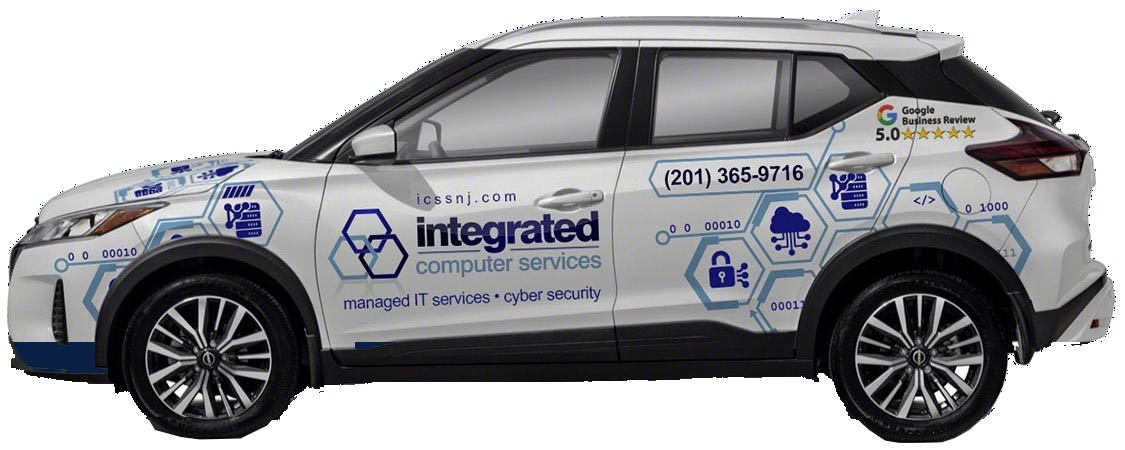
- Google 5 Star Rated Business
- 24/7 US Based Technical Team
- Better Business Bureau A+ Rated

About Us:
- 200+ 5-Star Google Rated IT Firm
- Microsoft Certified Cloud AI Partner
- SOC II Certified Managed Service ProviderSOC II Certified MSP
- Better Business Bureau A+ Rated
